The true cost of website maintenance in 2025 is determined by factors like website complexity, update frequency, and the choice between freelance or agency support. Proper budgeting ensures your site stays secure, efficient, and up to date.
As we approach 2025, understanding the landscape of website maintenance costs is crucial for businesses aiming to establish a strong online presence. Whether you are running a small business or managing a complex eCommerce site, the true cost of maintaining a professional website encompasses various factors that can significantly impact your budget.
This article delves into the nuances of website maintenance costs, essential ongoing maintenance tasks, and how to choose the right maintenance plan tailored to your business goals.
This article is a part of the series of Ultimate Guide to Hiring a Web Designer for Your Small Business Website in 2025.
What Are the Website Maintenance Costs in 2025?
How much does website maintenance cost for a professional website?
The website maintenance cost in 2025 can vary widely depending on several factors, including the type of website, the platform used, and the specific services required. On average, businesses can expect to spend anywhere from $100 to $500 per month for basic maintenance of a professional website.
For more complex sites, such as eCommerce platforms or those requiring extensive content updates, costs can rise significantly, potentially reaching $1,000 or more monthly. This investment covers essential services like regular updates, security checks, and technical support, all of which are vital for maintaining a user-friendly experience and ensuring the website remains aligned with SEO best practices.
What factors influence the website maintenance cost in 2025?
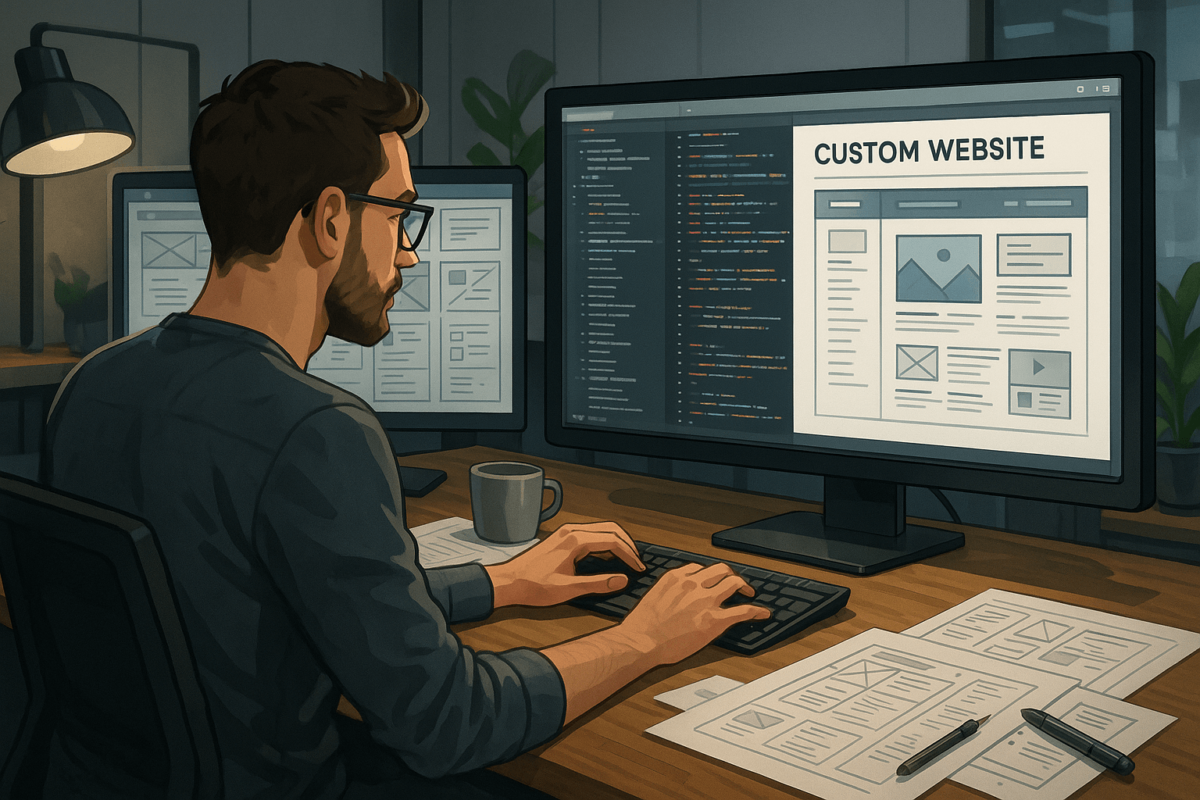
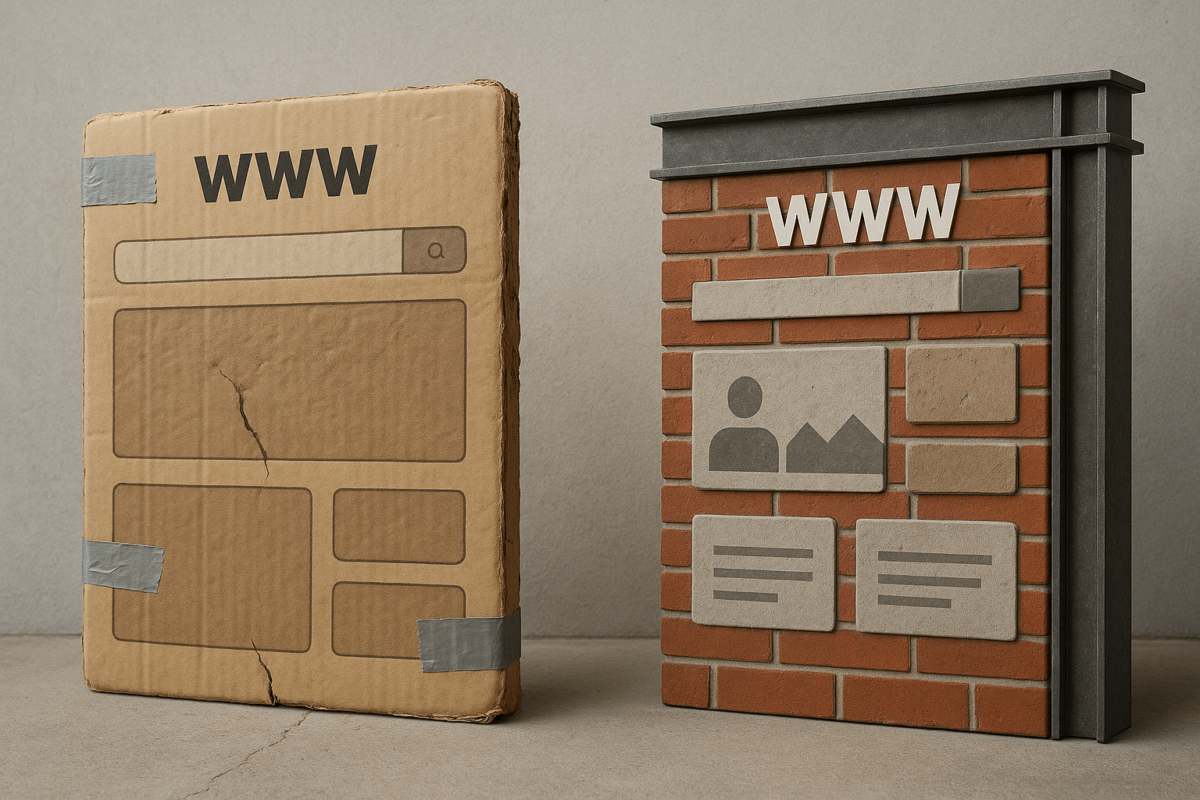
Several factors influence the overall website maintenance costs in 2025. Firstly, the complexity of the website design plays a significant role; custom-built websites typically incur higher maintenance costs compared to those created using templates or website builders.
Additionally, the chosen content management system (CMS) can impact ongoing maintenance expenses. For instance, WordPress sites may require regular plugin updates and security patches, while static sites might need less frequent attention.
Other influencing factors include the frequency of content updates, the need for technical maintenance, and the level of support required, such as troubleshooting or backup services. Understanding these elements can help businesses create a realistic maintenance budget that aligns with their operational needs.
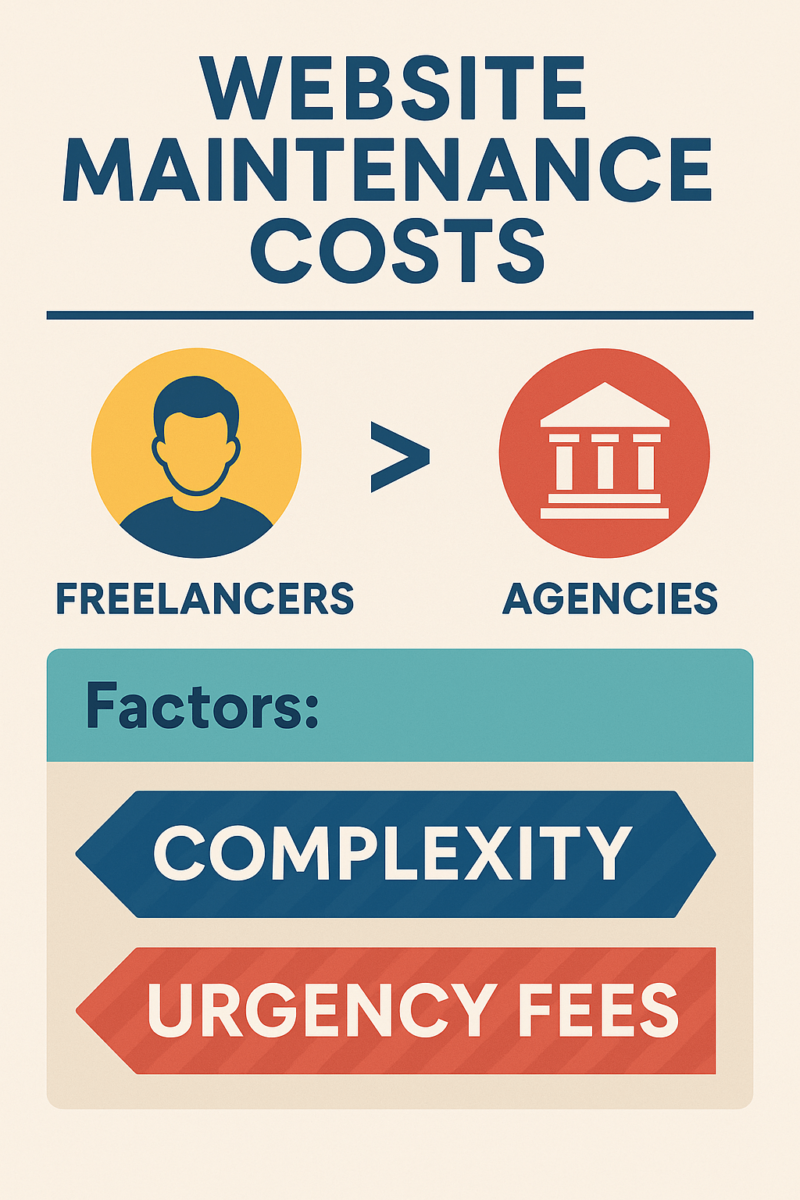
Also, from my experience, I can say that a big difference in cost will depend on whether you entrust your website maintenance to a freelancer or an agency. Sometimes, their prices can differ by almost twice. Another factor that can significantly affect the cost is the timeframe, as many providers charge an additional fee for urgent work or quick troubleshooting. Therefore, it’s very important to consider these points as well when planning your budget for your website.
Are there any one-time costs associated with building a website?
When building a website, one-time costs can add up quickly. These costs include expenses related to website design, domain registration, hosting plans, and initial content creation. For businesses looking to design a website from scratch, hiring a web development team or purchasing a premium template can also contribute to these upfront costs.
Furthermore, if a business opts for custom features or functionalities, this can lead to higher initial expenses. However, it is essential to view these one-time costs as an investment in the long-term success of your online presence, as they lay the foundation for ongoing website maintenance and optimization efforts.
What Is the True Cost of Ongoing Website Maintenance?
How does ongoing maintenance impact the overall budget?
Ongoing maintenance is a critical component of a website’s operational budget. The true cost of maintaining a website goes beyond mere monthly fees; it encompasses all the essential website maintenance tasks that ensure the site remains secure, functional, and relevant. Regular updates, technical maintenance, and content management are integral to optimizing the website for search engines and enhancing user experience.
Failure to allocate sufficient budget for ongoing maintenance can lead to increased risks, such as security breaches or poor website performance, which may ultimately result in higher costs down the line. Thus, businesses must prioritize ongoing maintenance as a non-negotiable part of their overall digital strategy.
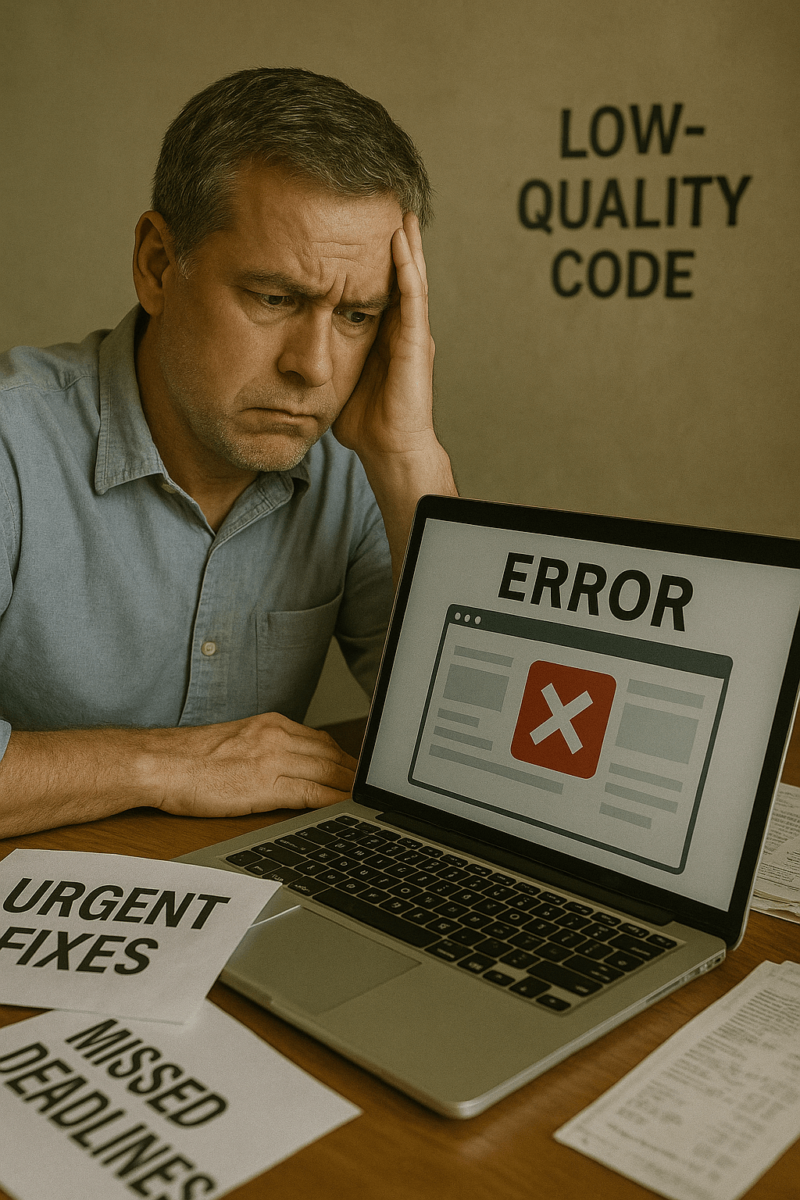
Based on my own experience, I had a case when, after the full completion of my website, I thought there wouldn’t be any need for ongoing maintenance since the website was created by a professional agency. However, over time, in order for my website to function well, I needed to constantly update it, make new changes, and fix some errors that appeared over time—all of which required me to spend extra money.
What is included in essential website maintenance?
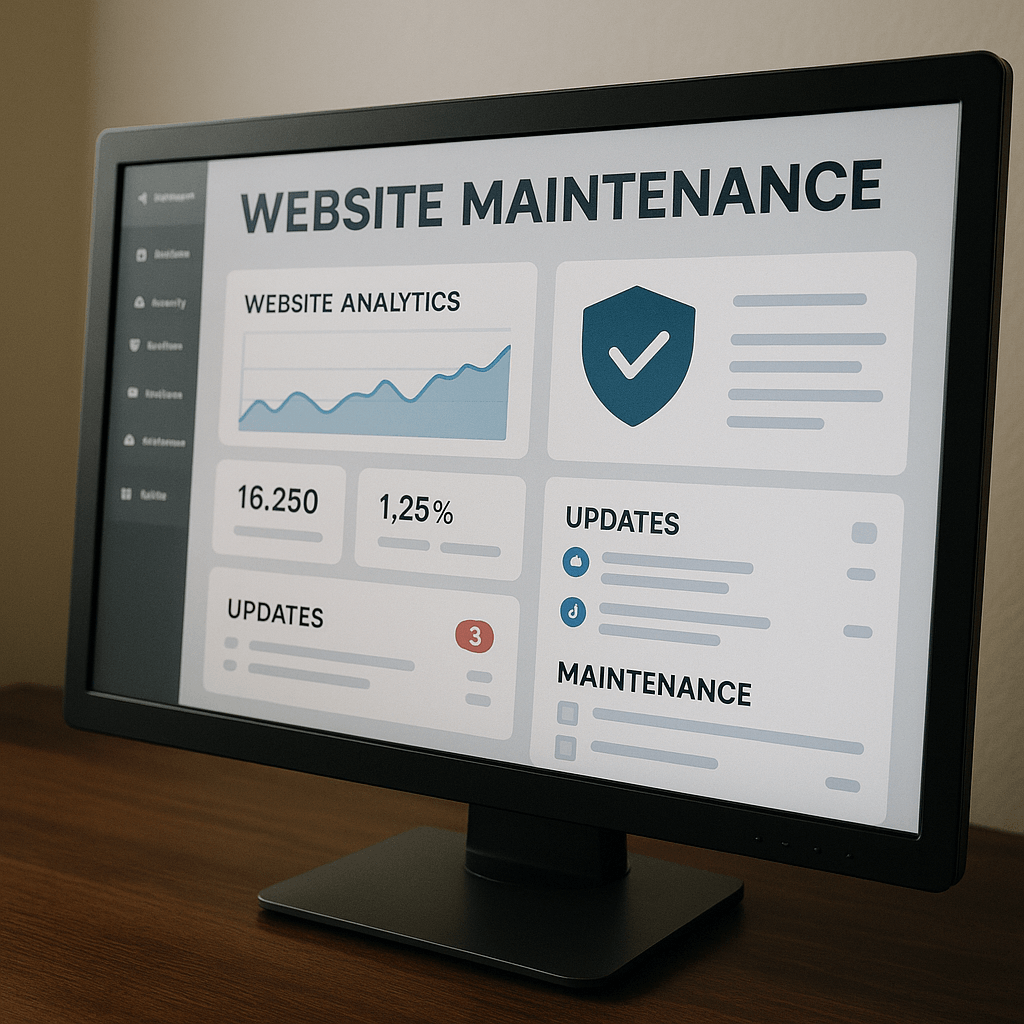
Essential website maintenance includes a variety of tasks aimed at keeping the site running smoothly and effectively. These tasks typically involve regular updates to the website’s software and plugins, ensuring that the site is protected against vulnerabilities and breaches.
Additionally, routine backups are crucial for safeguarding data and allowing for quick recovery in case of technical failures. Content updates are also a vital aspect of maintenance, as fresh content helps improve search engine optimization (SEO) and engages the target audience.
Furthermore, troubleshooting any technical issues and optimizing website performance are essential to maintaining a user-friendly experience. By incorporating these elements into a maintenance plan, businesses can ensure their website remains a valuable asset.
How can I optimize my budget for website maintenance?
To optimize your budget for website maintenance, it is essential to assess your specific needs and allocate resources accordingly. Start by identifying the critical maintenance tasks that are non-negotiable for your website’s functionality and security. Consider leveraging tools and services that can automate certain maintenance tasks, reducing the need for extensive manual intervention.
Additionally, evaluate the potential benefits of investing in a professional website maintenance service, which can provide expertise and support that may ultimately save costs in the long run. Regularly reviewing your maintenance budget and adjusting it based on the evolving needs of your business will help you maintain an efficient and effective online presence.
Personally, the way I optimized my budget for website maintenance was by initially finding an agency with which ongoing website maintenance was agreed upon and included in the initial cost. Hence, over time, there was no need to incur extra expenses for website maintenance. Therefore, I suggest doing the same, as it helps greatly optimize your budget for website maintenance.
How to Choose the Right Website Maintenance Plan for Your Business?
What should I consider when choosing between in-house vs professional website maintenance?
When deciding between in-house and professional website maintenance, several factors should be considered. In-house maintenance might seem cost-effective for small businesses with limited budgets, but it requires dedicated resources and expertise that may not always be available.
On the other hand, professional website maintenance services offer specialized knowledge and experience, which can be invaluable for addressing complex issues and optimizing website performance.
Additionally, outsourcing maintenance allows in-house teams to focus on core business functions rather than getting bogged down in technical tasks. Evaluating your business goals, budget constraints, and the complexity of your website will help you make an informed decision about which maintenance approach is best suited for your needs.
How can I evaluate the functionality of different maintenance plans?
Evaluating the functionality of different maintenance plans requires a careful analysis of the services offered and how they align with your business needs. Start by comparing the scope of services, such as frequency of updates, backup solutions, and technical support.
Look for plans that provide comprehensive coverage, including troubleshooting and optimization services, as these are crucial for maintaining a high-performing website. It is also beneficial to read reviews and testimonials from other businesses that have utilized the maintenance plans you are considering.
This feedback can provide valuable insights into the reliability and effectiveness of the service providers. Ultimately, choosing a maintenance plan that offers a balance between cost and functionality will help ensure your website remains in top shape.
What are the benefits of investing in a professional website maintenance service?
Investing in a professional website maintenance service comes with numerous benefits that can significantly enhance your online presence. Firstly, such services provide access to expertise that may not be available in-house, ensuring that your website is maintained by professionals who understand the latest trends and technologies in web development. This expertise is particularly valuable for optimizing your website for SEO and improving user experience.
Additionally, professional services often include proactive monitoring and support, which can help identify and resolve issues before they escalate into more significant problems. By outsourcing maintenance, businesses can save time and resources, allowing them to focus on achieving their core business goals while ensuring their website remains secure and functional.
Personally, I can definitely say that investing in a professional website maintenance service is truly beneficial. From my own experience, I’ve noticed that it saves a lot of time since I don’t have to worry about my website’s functionality or, for example, if a problem occurs, knowing that it will be fixed.
Another great point to mention is cost efficiency, as I was confident there wouldn’t be unexpected expenses that might arise later. Lastly, the assurance that regular updates and improvements maintain my site’s speed, functionality, and user-friendliness.
What Are the Key Components of Professional Website Maintenance?
How do regular updates affect website performance and user experience?
Regular updates are a cornerstone of effective website maintenance, significantly impacting both website performance and user experience. Keeping software, plugins, and themes up to date ensures that your site benefits from the latest features, security patches, and performance enhancements.
This not only helps prevent vulnerabilities that could lead to breaches but also optimizes the website’s functionality, making it more user-friendly. A well-maintained website with regular updates is likely to load faster and provide a smoother browsing experience, which is essential for retaining visitors and improving conversion rates. Therefore, establishing a routine for regular updates is vital for any professional website.
What role do backups play in website maintenance?
Backups are an essential component of website maintenance, serving as a safety net for your online presence. Regularly backing up your website ensures that you have a recent copy of your data and content, which can be invaluable in the event of a technical failure, data loss, or security breach. By implementing a robust backup strategy, businesses can minimize downtime and quickly restore their website to its previous state.
Moreover, having backups allows for greater peace of mind, knowing that your valuable content and user information are protected. Investing in automated backup solutions can streamline this process, ensuring that backups are performed consistently without manual intervention.
How can troubleshooting and optimization improve my website?
Troubleshooting and optimization are critical aspects of professional website maintenance that can significantly enhance overall performance. Regularly identifying and addressing technical issues helps ensure that the website functions smoothly, reducing the likelihood of errors that could frustrate users. Optimization efforts, such as improving load times and enhancing mobile responsiveness, are essential for providing a seamless user experience.
Additionally, optimizing content for SEO not only helps improve search engine rankings but also ensures that the website meets the needs of the target audience. By prioritizing troubleshooting and optimization within your maintenance plan, you can foster a more engaging and effective online presence.
Frequently Asked Questions About Website Maintenance Costs
What are common misconceptions about website maintenance costs?
Common misconceptions about website maintenance costs often lead businesses to underestimate the importance of ongoing maintenance. Many believe that once a website is built, it requires little to no attention. However, this is far from the truth. Websites require continuous updates, security checks, and content management to remain functional and relevant.
Additionally, some may assume that higher initial costs equate to lower ongoing expenses, but this is not always the case. Understanding the true cost of website maintenance involves recognizing the ongoing nature of these tasks and budgeting accordingly to avoid unexpected expenses in the future.
How often should I update my website content for SEO purposes?
Updating website content for SEO purposes should be a regular practice rather than a one-time task. Ideally, businesses should aim to refresh their content at least once a month, although the frequency may vary based on the type of website and industry.
For instance, blogs and news sites may require more frequent updates to stay relevant, while static business websites may only need updates when there are significant changes to products or services.
Consistent content updates help improve search engine rankings, engage the target audience, and establish authority in the industry. Therefore, developing a content update schedule is essential for maintaining an effective SEO strategy.
What are the risks of neglecting website maintenance?
Neglecting website maintenance poses several significant risks that can have dire consequences for businesses. Without regular updates and security checks, websites become vulnerable to breaches, which can lead to data loss and reputational damage.
Additionally, a poorly maintained website may experience performance issues, such as slow load times or broken links, which can frustrate users and drive them away. Over time, neglecting maintenance can result in decreased search engine rankings, reduced traffic, and ultimately, lost revenue. Therefore, prioritizing website maintenance is essential to safeguard your business’s online presence and ensure long-term success.